Curtains are not just decorative—they act as dust collectors, light controllers, and privacy layers in your home. But most people ignore one important thing: different curtain fabric types need different cleaning methods.
If cleaned the wrong way, curtains can shrink, fade, or lose their texture.
In this guide, you’ll learn about curtain material types and the right way to clean them, including when to choose dry cleaning.
Common Curtain Fabric Types
Understanding your curtain cloth is the first step to proper care.
1. Cotton Curtains
Lightweight and breathable
Easy to maintain
Common in homes
Cleaning Method:
Machine washable (cold water)
Use mild detergent
Avoid high heat drying
👉 Best for regular washing
2. Silk Curtains
Luxurious and delicate
Sensitive to water and sunlight
Cleaning Method:
Avoid home washing
Prefer professional dry cleaning
💡 Water can damage silk fibers and cause colour loss
3. Linen Curtains
Natural texture and premium feel
Slightly delicate
Cleaning Method:
Gentle hand wash or dry clean
Avoid harsh detergents
4. Velvet Curtains
Heavy and rich appearance
Traps dust easily
Cleaning Method:
Vacuum regularly
Strictly dry clean only
👉 Washing can ruin texture permanently
5. Polyester Curtains
Durable and budget-friendly
Wrinkle-resistant
Cleaning Method:
Machine washable
Low maintenance
6. Sheer Curtains (Net/Voile)
Light and transparent
Attract dust quickly
Cleaning Method:
Gentle wash
Handle carefully to avoid tearing
How to Clean Curtains Properly
Cleaning curtains is not just about washing—it’s about preserving fabric quality.
✔️ Step-by-step approach:
Remove dust using vacuum or shaking
Check fabric type and care label
Choose washing or dry cleaning accordingly
Use mild detergent only
Avoid hot water
Dry in shade
💡 Following the correct method prevents fading, shrinking, and damage.
When to Choose Dry Cleaning for Curtains
Dry cleaning is recommended when:
Fabric is delicate (silk, velvet, heavy linen)
Curtains are expensive or custom-made
There are tough stains or odor buildup
👉 Professional cleaning ensures deep cleaning without damaging fabric structure
Common Curtain Cleaning Mistakes
Avoid these to protect your curtains:
Using hot water on all fabrics
Ignoring fabric type
Overloading washing machine
Drying in direct sunlight
Skipping regular dust cleaning
💡 Most curtain damage happens due to wrong cleaning methods, not usage.
How Often Should You Clean Curtains?
Light curtains: every 3–4 months
Heavy curtains: every 6 months
Dust-prone areas: more frequently
1. How to clean curtains properly?
Start by removing dust, check the fabric type, and then either wash gently or opt for dry cleaning depending on the material.
2. What are the common mistakes in hanging curtains?
Common mistakes include hanging wet curtains, using incorrect rod support, and placing curtains in direct sunlight which can cause fading.
3. What can I use to clean my curtains?
You can use mild detergents, cold water, or vinegar solutions for basic cleaning. For delicate fabrics, professional dry cleaning is recommended.
4. How do I clean my curtains without taking them down?
You can vacuum them using a brush attachment or use steam cleaning for light dirt and dust removal.
🧾 Final Thoughts
Curtains play an important role in maintaining the look and hygiene of your home. Knowing different curtain material types and their cleaning methods helps you extend their life and keep them looking fresh.
For delicate or expensive curtains, professional care ensures safe, deep, and long-lasting cleaning results.
Faded clothes can make even the best outfits look old and worn out. Whether it’s your favourite t-shirt, a formal shirt, or daily wear, colour fading is one of the most common fabric problems people face.
The good news? With the right care routine, you can protect your clothes from fading and maintain their original colour for a long time.
Why Do Clothes Fade Over Time?
Before fixing the problem, it’s important to understand what causes it.
Common reasons for colour fading:
Frequent washing
Use of harsh detergents
Washing in hot water
Direct exposure to sunlight
Fabric friction during washing
💡 In most cases, fading is not about poor fabric—it’s about improper care.
10 Practical Tips to Prevent Colour Fading
1. Wash Clothes Inside Out
Turning clothes inside out reduces friction on the outer surface, which helps preserve colour.
Especially useful for colour fade shirts and printed garments
2. Always Use Cold Water
Hot water breaks down fabric dyes faster. Cold water helps retain colour and prevents bleeding.
3. Choose Mild Detergents
Strong detergents can strip colour from fabrics. Always go for gentle or colour-protect formulas.
4. Avoid Overwashing
Not every outfit needs washing after one use.
Overwashing is one of the biggest reasons behind faded cloth issues
5. Dry Clothes in Shade
Direct sunlight can fade colours quickly. Always dry clothes in shade or partial sunlight.
6. Separate Dark and Light Clothes
Mixing colours can lead to dye transfer and uneven fading.
7. Use Gentle Wash Cycles
Harsh cycles create friction, which damages fabric and fades colour over time.
8. Don’t Overload the Machine
Overloading increases rubbing between clothes, which leads to faster fading.
9. Add Vinegar or Salt (Occasionally)
Natural solutions like vinegar can help lock colours during washing.
A simple trick many people overlook
10. Store Clothes Properly
Dust and improper storage can affect fabric over time.
Using proper storage methods prevents clothes from becoming a fabric dust collector, which can dull their appearance.
Can Faded Clothes Be Restored?
If your clothes have already faded, there are still a few things you can try.
Ways to improve faded clothes:
Use fabric colour restorers
Re-dye the garment
Use colour-enhancing detergents
Results depend on fabric type and how much the colour has faded.
Mistakes That Cause Faster Fading
Using bleach on coloured clothes
Washing in hot water regularly
Drying under harsh sunlight
Using too much detergent
Avoiding these mistakes can significantly increase the life of your clothes.
1. What is the meaning of faded clothes?
Faded clothes are garments that have lost their original colour intensity due to washing, sunlight, or wear over time.
2. What does faded clothing mean?
It refers to clothing that appears dull or lighter than its original shade, often due to colour loss from fabric fibers.
3. Can faded clothes get color back?
Partially, yes. Using fabric dyes or colour-restoring products can help improve appearance, but full restoration is not always possible.
4. How to fix faded cloth?
You can try re-dyeing, using colour-boosting detergents, or professional fabric care services for better results.
Final Thoughts
Keeping your clothes looking new is not difficult—it just requires the right habits. By following simple steps like cold washing, gentle detergents, and proper drying, you can prevent fading and extend the life of your garments.
📍 Need Professional Fabric Care?
If your clothes are losing colour or need expert attention, professional care can make a noticeable difference.
When it comes to caring for your clothes, one common question people have is: should you wash or dry clean your garments? While both methods clean your clothes, they work very differently and are suitable for different types of fabrics.
Understanding the difference between washing and dry cleaning helps you protect your clothes, maintain quality, and extend their life.
What is Regular Washing (Laundry)?
Regular washing uses:
Water
Detergents
Mechanical action (hand wash or washing machine)
This method removes dirt, sweat, and basic stains effectively.
It is best suited for daily wear clothes like cotton, denim, and synthetics.
What is Dry Cleaning?
Dry cleaning is a professional cleaning method that uses a chemical solvent instead of water to clean garments.
It is specially designed for:
Delicate fabrics
Structured clothing
Clothes that may shrink or lose shape in water
Ideal for fabrics like silk, wool, velvet, and designer wear.
Key Difference Between Washing and Dry Cleaning
Feature
Washing (Laundry)
Dry Cleaning
Cleaning Medium
Water + detergent
Chemical solvent
Fabric Suitability
Daily wear fabrics
Delicate & premium fabrics
Stain Removal
Good for basic stains
Better for oil & tough stains
Fabric Care
Can cause shrinkage/fading
Maintains shape & texture
Cost
Affordable
Premium service
In simple terms: washing cleans, but dry cleaning preserves.
When Should You Choose Washing?
Go for regular washing when:
Clothes are made of cotton or polyester
You are dealing with sweat or light dirt
The garment is labeled machine washable
Perfect for daily use clothing
When Should You Choose Dry Cleaning?
Choose dry cleaning when:
Fabric is delicate (silk, wool, chiffon)
Garment is expensive or designer
Stains are oil-based or stubborn
Clothing needs structure (suits, blazers)
From practical experience, dry cleaning is not about frequent use—it’s about using it when necessary.
Common Mistakes People Make
Washing delicate clothes in machines
Dry cleaning clothes that don’t need it
Ignoring care labels
Using hot water for all fabrics
These mistakes often lead to fading, shrinking, or fabric damage.
🇮🇳 Can Indian Clothes Be Dry Cleaned?
Yes, many Indian garments benefit from dry cleaning.
Suitable for dry cleaning:
Sarees (especially silk & heavy embroidery)
Lehenga & bridal wear
Sherwanis and suits
Dupattas with delicate work
These clothes require gentle handling and professional care.
1. Which is best, dry clean or wash?
It depends on the fabric. Washing is best for everyday clothes, while dry cleaning is ideal for delicate and premium garments.
2. What is the difference between dry wash and normal wash?
Dry wash (dry cleaning) uses chemical solvents without water, while normal wash uses water and detergent.
3. Which one is better, dry cleaning or laundry?
Neither is universally better. The right choice depends on the type of fabric and the condition of the garment.
4. Can Indian clothes be dry cleaned?
Yes, especially silk sarees, lehengas, and heavily embroidered outfits. Dry cleaning helps maintain their quality and finish.
Final Thoughts
Choosing between washing and dry cleaning is not confusing once you understand their purpose. Washing is great for routine cleaning, while dry cleaning is essential for fabric protection and long-term garment care.
Making the right choice ensures your clothes look better, last longer, and stay damage-free.
Dry cleaning is one of the most effective ways to care for delicate and premium garments that cannot handle regular washing. If you’ve ever wondered how to dry clean clothes properly or what actually happens behind the scenes, this guide will walk you through everything in a simple, practical way.
What is Dry Cleaning?
Dry cleaning is a professional cleaning process that uses a chemical solvent instead of water to remove dirt, stains, and odors from clothes.
Unlike traditional washing:
It protects delicate fabrics
Prevents shrinking or damage
Maintains shape and texture
This method is ideal for fabrics like silk, wool, suede, and designer wear.
How Does Dry Cleaning Work?
At its core, dry cleaning works by using a special liquid solvent (commonly PERC) that breaks down oil-based stains and dirt without soaking the fabric in water.
In real-world usage, this is why dry cleaning works better for tough stains like grease, perfume, or makeup.
Step-by-Step Dry Cleaning Process
Understanding the process helps you trust the results and know what you’re paying for.
1. Drop-Off
You hand over your garments to the dry cleaner. A receipt is generated with details and expected delivery time.
2. Inspection
Each garment is carefully checked for:
Stains
Fabric type
Damage or special care instructions
This step is crucial because every fabric requires a different treatment approach.
3. Pre-Treatment (Expert Step)
Before actual cleaning, stains are treated individually using targeted solutions.
This is something most people miss—proper pre-treatment is what makes professional cleaning far more effective than home attempts.
4. Cleaning Process
Clothes are placed in a specialized machine where:
Solvent removes dirt and stains
Gentle agitation cleans without damaging fabric
5. Pressing & Finishing
After cleaning:
Clothes are steamed or pressed
Shape and structure are restored
This is why dry-cleaned clothes look crisp and fresh.
6. Quality Check
Each garment goes through a final inspection:
Remaining stains are re-treated
Finishing is reviewed
7. Packaging
Clean clothes are packed neatly, ready for pickup or delivery.
When Should You Dry Clean Your Clothes?
Not every garment needs dry cleaning, but some definitely do.
Clothes That Need Dry Cleaning:
Silk, wool, suede, leather, cashmere
Heavy or oil-based stains
Expensive or designer wear
Structured garments like suits & blazers
Clothes That Don’t Need Dry Cleaning:
Cotton and denim
Regular daily wear
Machine-washable synthetics
Always check the care label before deciding.
Practical Tips for Better Dry Cleaning Results
Inform the cleaner about stains and their source
Avoid rubbing stains before giving clothes
Don’t overuse dry cleaning (it’s not needed after every wear)
Store dry-cleaned clothes properly
From experience, proper communication with your dry cleaner significantly improves results.
Can You Dry Clean Clothes at Home?
Technically, you can try home dry cleaning kits, but they are not as effective as professional services.
Why?
Limited stain removal capability
No industrial equipment
Risk of fabric damage
Home methods work only for light refresh, not deep cleaning.
Final Thoughts
Dry cleaning is not just about cleaning—it’s about protecting your clothes, maintaining fabric quality, and extending garment life.
Knowing how to dry clean clothes and when to use this method helps you make better decisions for your wardrobe.
1. How do you dry clean at home?
You can use home dry cleaning kits available in the market, but they mainly help in odor removal and light cleaning—not deep stain removal.
2. How is dry cleaning done?
Dry cleaning is done using a chemical solvent that removes stains without water, followed by pressing and finishing for a polished look.
Colour stains are one of the most frustrating things to deal with—especially when they ruin your favourite outfit. Whether it’s dye transfer during washing, a food spill, or makeup marks, these stains can spread quickly and become permanent if not treated correctly.
The good news is that with the right approach and timely action, you can remove most stains from coloured clothes without damaging the fabric.
Why Acting Quickly Matters
The longer a stain sits on your clothes, the harder it becomes to remove. Fabric fibers absorb pigments over time, making stains more stubborn.
Heat is another enemy. If you iron or dry a stained garment, the stain can set permanently.
What actually works:
Treat stains immediately
Use cold water first
Avoid heat until the stain is gone
What Causes Colour Stains on Clothes?
Colour stains usually occur due to dye transfer. This happens when colour from one garment bleeds onto another during washing.
Common reasons include:
Mixing dark and light clothes
Washing at high temperatures
Poor-quality dyes in fabrics
Overloading the washing machine
To avoid this, always separate clothes by colour and wash in cold water.
Simple Ways to Prevent Colour Transfer
Prevention can save you time and effort later.
Wash whites, lights, and darks separately
Check garment care labels before washing
Do not leave wet clothes sitting together
Use colour catcher sheets for mixed loads
From practical experience, most colour stains happen due to careless washing habits, not accidents.
Step-by-Step: How to Remove Stains from Colored Clothes
Before starting, keep these basics ready:
Cold water
Mild liquid detergent
White vinegar
Soft cloth or fingers (no hard brushes)
1. For Delicate Fabrics (Silk & Satin)
Delicate fabrics require extra care.
Method:
Apply a few drops of mild detergent on the stain
Gently dab with your fingers (do not scrub)
Leave it for 20–30 minutes
Rinse with cold water
If the stain remains, apply a small amount of vinegar or lemon juice and rinse again.
Drying tip: Always air dry in shade to protect fabric quality.
2. For Cotton and Daily Wear (Coloured Clothes)
This is the most common category.
Method:
Apply liquid detergent directly to the stained area
Let it sit for 10–15 minutes
Rinse under cold running water
For tougher stains:
Soak the garment in a mix of lukewarm water, detergent, and a small amount of vinegar
Leave for 30–40 minutes
Wash normally
This method helps remove stains without fading the original colour.
3. For White Clothes with Colour Stains
White garments are easier to treat but need the right method.
Method:
Soak in a mild bleach solution
Wash with regular detergent
Dry under sunlight
⚠️ Avoid using bleach on coloured fabrics, as it can cause damage.
4. For Synthetic Fabrics (Polyester & Nylon)
These fabrics are more resistant but still need proper care.
Method:
Apply a vinegar and water solution to the stain
Let it sit for 15–20 minutes
Rinse with cold water
Wash using a regular cycle
Dry in a shaded area to maintain colour strength.
Mistakes You Should Avoid
Many people unknowingly make these errors:
Using hot water on fresh stains
Scrubbing aggressively
Mixing all clothes in one wash
Ignoring care labels
These mistakes often make stains worse instead of removing them.
Can Professional Cleaning Help?
Yes—especially for:
Expensive garments
Delicate fabrics
Old or set-in stains
Professional cleaning uses fabric-specific treatments that are safer and more effective than home remedies.
Final Thoughts
Removing colour stains is not about using strong chemicals—it’s about using the right method at the right time. With careful handling and proper washing habits, you can keep your clothes looking fresh and new for a long time.
For stubborn stains or premium garments, expert care can make a noticeable difference in both cleaning and fabric life.
Can you remove stains from colored clothing?
Yes, most stains can be removed if treated early with the right products and method.
Can a dried stain be removed?
It is possible, but it usually requires soaking and multiple treatments. In some cases, professional cleaning is the best option.
Can vinegar remove stains on colored clothes?
Yes, vinegar works well as a natural stain remover and is safe for most coloured fabrics.
How to remove stains without removing color?
Use cold water, mild detergents, and gentle techniques. Avoid bleach and harsh scrubbing.
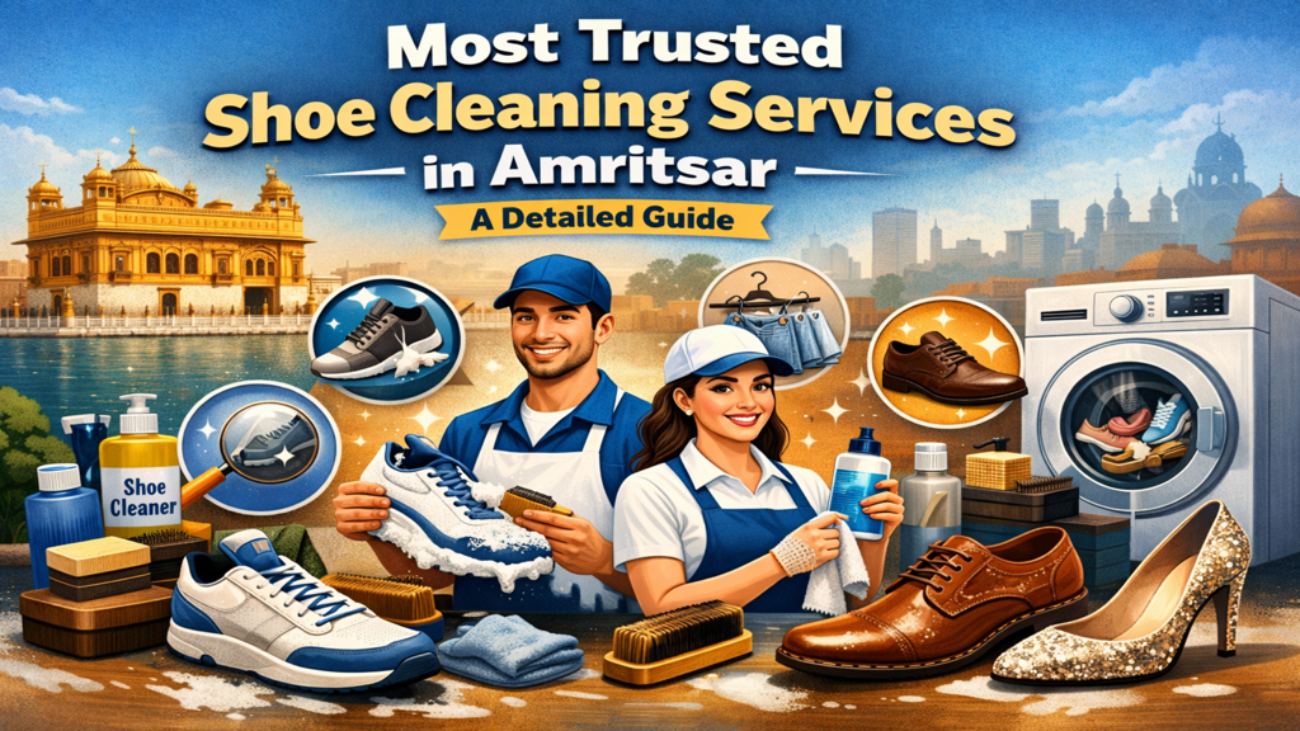
In a city like Amritsar, which is the epitome of culture, style, and daily hustle, shoes are not just something that you wear, but they also reflect your personality. Whether you are walking through the markets, attending weddings, working in corporate offices, or working out at the gym, your shoes are always under constant wear and tear. Dust, mud, sweat, stains, and odors can easily ruin the look of your shoes, irrespective of how high-end they are.
Most people resort to cleaning their shoes at home, but the problem is that not all materials can be handled at home. For instance, sneakers, suede, leather, sports shoes, designer shoes, etc. require different types of cleaning. That’s where shoe cleaning services come into the picture.
Shoe laundry and dry cleaning services have gained tremendous popularity in Amritsar over the past few years.
In this detailed guide, we will explore:
Why professional shoe cleaning is important
Types of shoe cleaning services available
Typical costs in Amritsar
How to choose the right service
Tips for maintaining footwear
Why professional services are worth it
Let’s dive in.
Why Shoe Cleaning Matters More Than You Think
Shoes, being one of the most utilized items in our daily lives, are also the ones that we least take care of.
Every day, your shoes are exposed to:
Dust and pollution
Sweat and bacteria
Mud and stains
Water damage
Odor buildup
Eventually, your shoes don’t only look bad, but their quality is also compromised.
Professional shoe cleaning services ensure that your shoes are cleaned properly using special equipment and cleaning solutions that cater to the type of materials your shoes are made of. Not only does the cleaning service remove stubborn stains, but it also eliminates the odor of your shoes, making them look brand new.
Experts say that having your shoes professionally cleaned can extend the lifespan of your shoes, saving you money in the long run.
Growing Demand for Shoe Cleaning Services in Amritsar
The city has experienced rapid urbanization, and there is a growing need for modern conveniences such as laundry, dry cleaning, and shoe care services. Several factors have contributed to the growth of the shoe cleaning industry in the city:
1. Busy Urban Lifestyle
People today are busier than ever before and do not have the time to indulge in cleaning their shoes at home. This is why there is a growing need for the services of a shoe cleaning company.
2. Expensive Footwear
People wear expensive shoes, especially sneakers and leather shoes, which cost thousands of rupees. This is why there is a need to clean their shoes professionally rather than at home, where there is a high possibility of damaging the shoes.
3. Fitness & Sneaker Culture
The city has experienced a surge in the number of gyms and sports clubs, and this has led to the growth of the culture of wearing sports shoes and sneakers, which need regular cleaning and deodorizing.
4. Hygiene Awareness
Shoe cleaning is essential because there is a high possibility of bacteria and odor buildup, even when the shoes are washed at home.
5. Wedding & Occasion Culture
In a city known for grand weddings, polished footwear is an essential part of the overall look.
Types of Shoe Cleaning Services Available
The current shoe care services provide much more than simply brushing and polishing. Here are some of the most common services available for people living in Amritsar.
1. Sneaker Cleaning Sneakers are considered to be one of the toughest shoes to clean at home, especially if they are white or light-colored.
Professional sneaker cleaning services involve:
Deep washing
Removing stains
Whitening soles
Removing odor
Restoring fabric
This process helps restore sneakers that appear dull or yellowed.
2. Leather Shoe Cleaning
Leather shoes require delicate handling.
Professional cleaning typically includes:
Leather-safe cleaning solutions
Conditioning treatment
Polishing
Color restoration
Improper cleaning with water or detergent can cause cracking or fading, which professionals help prevent.
3. Suede & Nubuck Cleaning
Suede is extremely sensitive and easily damaged by moisture or harsh brushing.
Professional services use specialized techniques to:
Remove stains
Restore suede texture
Prevent discoloration
This is one of the most recommended services for premium footwear.
4. Sports Shoe Sanitization
Gym and running shoes accumulate sweat and bacteria quickly.
Professional cleaning helps:
Remove odor
Kill bacteria
Improve hygiene
Extend the shoe’s life
5. Shoe Repair and Restoration
Many shoe cleaning companies also offer repair services such as:
Sole gluing
Stitching repair
Lace replacement
Insole replacement
These services improve comfort and durability while restoring the shoe’s structure.
Average Cost of Shoe Cleaning in Amritsar
The cost of professional shoe cleaning varies depending on the shoe type and level of cleaning required.
Typical price ranges include:
Service Type
Average Cost
Sneaker Cleaning
₹300 – ₹800
Leather Shoe Cleaning
₹500 – ₹1500
Suede Shoe Cleaning
₹600 – ₹1200
Boot Cleaning
₹700 – ₹1500
These prices may vary depending on the condition of the shoes and the complexity of cleaning.
Premium or designer footwear may require specialized treatments that cost slightly more.
Benefits of Professional Shoe Cleaning Services
Still, there are a number of people out there who wonder whether it is worth hiring professionals to clean their shoes. The answer is yes, especially when it comes to quality shoes.
Here are the benefits of hiring professionals to clean your shoes.
1. Better Cleaning Results
Professional cleaners are equipped with the latest cleaning tools that help in the removal of stains, dirt, and odor that cannot be removed even with washing.
Your shoes look almost new.
2. Protection for Expensive Shoes
Luxury sneakers, leather shoes, and suede footwear require careful handling.
Professionals understand how to treat different materials safely without damaging them.
3. Saves Time and Effort
Cleaning shoes at home can take hours, especially when dealing with stubborn stains.
Professional services make the process simple—drop off or schedule pickup and receive clean shoes later.
4. Improves Hygiene
Closed footwear often traps sweat and bacteria.
Professional cleaning sanitizes shoes and removes harmful microbes, improving overall hygiene.
5. Extends Shoe Life
Regular maintenance prevents:
Cracks
Color fading
Sole damage
Material breakdown
This helps your footwear last much longer.
How to Choose the Best Shoe Cleaning Service in Amritsar
With various choices at hand, the best option needs to be chosen with due consideration.
Some points to check are given below.
1. Experience and Expertise
Select a service that is aware of various fabrics, e.g., leather, suede, mesh, and canvas.
2. Cleaning Techniques
Professional services must ensure the usage of appropriate cleaning agents and machines.
3. Customer Reviews
Reviews from past customers will also provide information about the reliability of the service and the quality of their services.
4. Service Options
Other facilities offered by the service provider, e.g., pickup and delivery, deodorization, and restoration, should also be checked.
5. Pricing Transparency
Before giving the shoes for cleaning, the pricing needs to be checked to avoid any unexpected expenses.
DIY Shoe Cleaning vs Professional Cleaning
Many people try DIY methods such as:
Washing in a washing machine
Scrubbing with detergent
Using bleach on white shoes
However, these methods often cause damage.
Common risks include:
Fading colors
Weakening fabric
Cracked leather
Permanent stains
Professional cleaning uses safe, material-specific methods that reduce these risks and maintain shoe quality.
Tips to Keep Your Shoes Clean Longer
Despite professional cleaning, good habits can help extend the time your shoes stay fresh.
Rotate Your Shoes
Avoid wearing the same pair of shoes every day.
Use Shoe Trees
This helps maintain the shape of your leather shoes.
Store Shoes Properly
Store your shoes in a cool, dry place to avoid odor buildup.
Clean Minor Dirt Quickly
Clean dirt on your shoes before it stains.
Use Protective Sprays
Waterproof sprays can protect your shoes from stains.
The Future of Shoe Care Services
As urban lifestyles evolve, shoe cleaning services are becoming more advanced and accessible.
Modern services now offer:
Eco-friendly cleaning products
Doorstep pickup and delivery
Advanced stain removal technology
Specialized sneaker restoration
Many services are adopting environmentally safe cleaning solutions that minimize pollution and chemical exposure.
This shift toward sustainability is expected to shape the future of footwear care.
Conclusion: Trust the Experts for the Best Shoe Care
Shoes are an essential part of our lives, and we wear them everywhere, whether it is for work, travel, parties, or even mundane activities like shopping. Thus, it is essential to keep our shoes clean and in the best state, not only for their looks but also for their longevity and hygiene.
If you are looking for the best and reliable shoe cleaning services, then you need to look no further than Coral Dry, the best shoe cleaning services in Amritsar.
At Coral Dry, our main priority is the cleaning and maintenance of your shoes through the best and most professional techniques, giving your shoes the best look, removing any stains or odors, and increasing their longevity.
Give Your Shoes the Care They Deserve
Do you want to waste your precious time trying to clean your shoes through various techniques? Why don’t you let the best and most reliable shoe cleaning services at Coral Dry do the job for you?
Visit us today at Coral Dry and experience the best shoe cleaning services in the city, giving your shoes a brand-new look and feel.
Your shoes accompany you everywhere; hence, it is essential to keep them in the best state at all times.